Power Industry Grinding Balls Case
India Power-Coal Mill Consumption Reduction
1. Overview
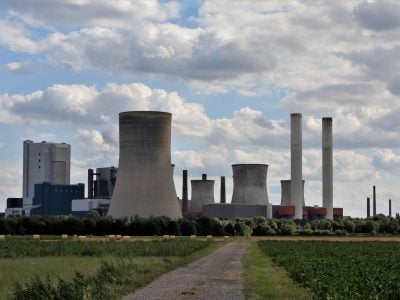
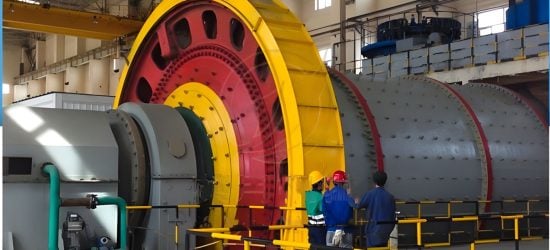
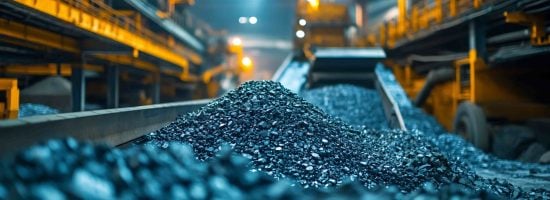
Our client is a large thermal power plant in India with a configuration of two 660 MW units. The plant is equipped with four $\Phi 2.6 \times 5.0$ m horizontal tube-type coal grinding mills, which use a wet grinding process to process bituminous coal. The plant has an annual coal consumption of 4.8 million tons, and the pulverized coal is primarily supplied to the boiler for combustion and power generation.
2.Problem
As a core power supply unit for the Northern Indian power grid, the power plant needs to maintain a unit load factor of over 90%. However, the long-term use of low-quality grinding media previously led to several problems when grinding high-ash bituminous coal.
3.Customer Request
- Extend the service life of the grinding media to over 3,000 hours to reduce media procurement and replacement costs.
- Stabilize the fineness of the pulverized coal and increase boiler combustion efficiency to over 91%, thereby reducing the risk of slagging.
4.Chengda Proposal
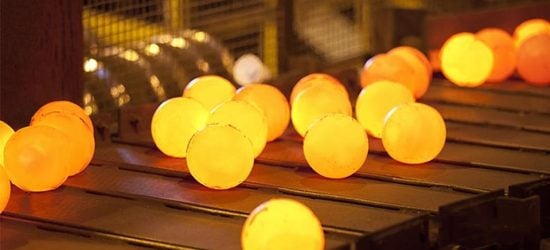
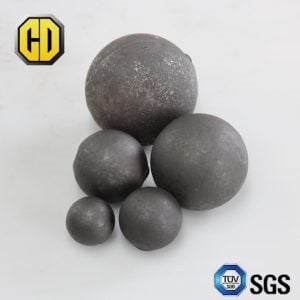
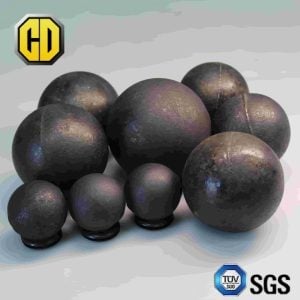
The Chengda Wear-Resistant team conducted a 35-day on-site survey at the power plant. Based on the operating parameters of the horizontal tube-type coal mills and the abrasive characteristics of the bituminous coal ash content, they proposed a customized combined solution: “Forged Steel Ball for Coarse Grinding + Medium-Chrome Cast Ball for Fine Grinding“.
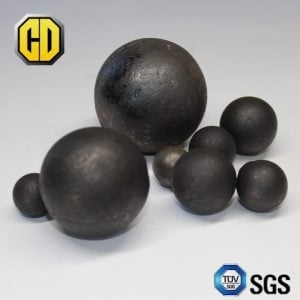
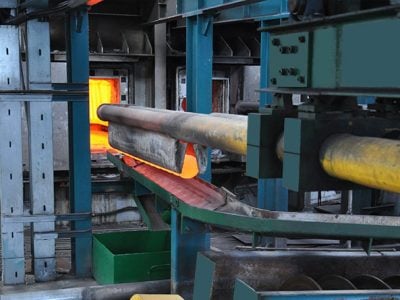
- High-toughness forged steel balls (diameter 50-70 mm) were selected. They are made from high-quality 65Mn alloy steel, treated through high-temperature forging and quenching-and-tempering processes, maintaining a stable hardness of HRC 58-62 and an impact toughness of ≥18J/cm²,. This selection is effective in resisting the impact wear from high-ash coal lumps and prevents ball breakage.
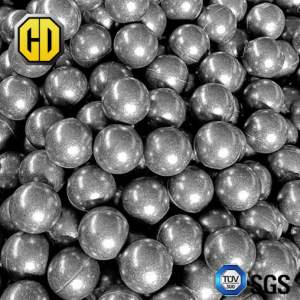
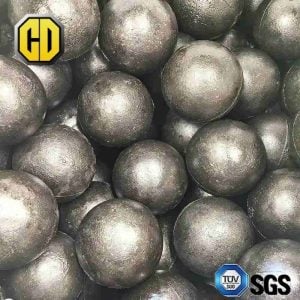
- Fine Grinding Compartment: Customized low-chrome cast balls (diameter 30-40 mm) were paired. The chromium content is precisely controlled at 6-8% to balance wear resistance with cost effectiveness. The surface hardness reaches HRC 56-60, meeting the requirement for controlling pulverized coal fineness during the fine grinding stage.
- The grinding media was filled according to the ratio of “65% Forged Steel Balls in the Coarse Grinding Compartment + 35% Low-Chrome Cast Balls in the Fine Grinding Compartment.” The optimized filling rate was set at 28-30% to ensure efficient synergy during the grinding process: “Coarse grinding for lump crushing, fine grinding for refinement.”
- Forged Steel Balls: Adopted a precision forging process, resulting in a spherical roundness error of ≤0.3mm, to reduce mill operational resistance
- Low-Chrome Cast Balls: The content of impurities like P and S was strictly controlled (≤0.05%) to prevent localized embrittlement wear caused by impurities.
- Based on the power plant’s annual processing volume of 4.8 million tons of bituminous coal, the combined solution is projected to:Extend the service life of the grinding media to over 3,200 hours;Reduce annual media procurement costs by over 25%.
- Guarantee:We commit that if the media service life does not meet the standard, the pulverized coal fineness exceeds limits, or the energy consumption requirements are not met, we will resupply the grinding media free of charge and bear the indirect losses caused by the resulting downtime.


5. Monitoring System
- Inspection Frequency: Every 30 days, we measure the wear rate and fracture rate of the media inside the mill. Unit wear is calculated using the weighing method. A laser diameter measuring instrument is used to measure the change in ball diameter.The integrity rate of the media is tracked across different operational cycles.
- Pulverized coal samples are collected every 8 hours from the coal mill outlet. The R90 fineness index is tested using the standard sieve analysis method. Data on pulverized coal uniformity is recorded. Boiler combustion efficiency, flue gas temperature, and slagging conditions are regularly inspected and analyzed in correlation with pulverized coal quality to determine the impact on combustion performance.
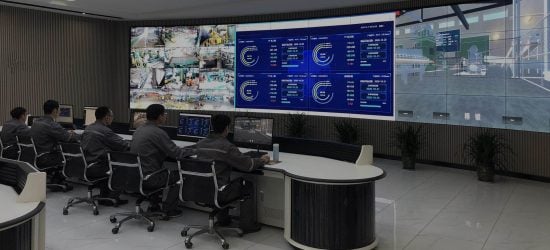
- Real-time data on the coal mill’s current and energy consumption are collected. The frequency and duration of downtime for media replacement are recorded. The stability of the unit’s power generation load is evaluated.A linkage analysis ledger is maintained, connecting “Media Loss – Pulverized Coal Quality – Energy Consumption Efficiency.”
6.Results Feedback
Data monitored over 12 months of stable operation showed the following results:
- Media & Cost Performance: Media Service Life: The actual service life of the Chengda combined grinding media reached 3,350 hours, representing an increase of 86.1% compared to the original low-quality media.Cost Reduction: The annual media procurement cost reduction rate was 31.5%.The coal mill unit energy consumption dropped to 30.5kWh / ton of coal, meeting the Central Electricity Authority (CEA) standards.
Product and Combustion Performance: Pulverized Coal Fineness: The R90 fineness was stable between 7.2-7.8%, fully meeting the client’s requirements.Combustion Efficiency: Boiler combustion efficiency increased to 91.8%.Slagging and Maintenance: Slagging risk was significantly reduced, and the annual frequency of boiler cleaning was cut from 4 times to 1 time, resulting in a 60% saving in labor costs.
Operational Efficiency: Downtime Reduction: Annual downtime for coal mill media replacement was compressed to 72 hours.Load Factor: The unit load factor increased to 93%.Power Generation: The annual increase in power generation exceeded 216 million kWh, successfully helping the power plant meet the Indian power grid’s supply assessment targets.
The client has now reached a strategic cooperation agreement with Chengda. Moving forward, they plan to promote the gradual adoption of this combined grinding media solution across three other similar thermal power plants within their group, jointly aiming to establish a demonstration benchmark for energy saving and efficiency enhancement in the coal grinding systems of the Indian power sector.